
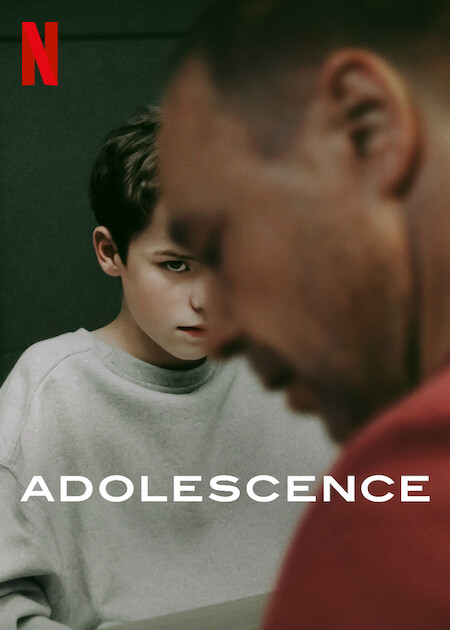
This week, we’re spotlighting a gripping new series—Adolescence. A 2025 British crime drama mini-series, it is brought to life by creators Jack Thorne and Stephen Graham, under the direction of Philip Barantini.
Adolescence has taken social media by storm, sparking heated debates on moral grey areas and raising questions about the extent of parental insight into their children’s lives. The series consists of four hour-long episodes that delve into the aftermath of a shocking crime. At the center of the story is Jamie, a 13-year-old boy arrested for murdering his classmate—a premise that sets the stage for an emotionally charged narrative.
What sets this series apart is its cinematic innovation. Each episode was filmed in a single continuous take—no cuts, no breaks. This ambitious approach demanded the actors to flawlessly deliver their lines while the crew executed intricate wide-angle, tight, and drone shots seamlessly. Remarkably, the cast and crew shot each episode twice daily, achieving an impressive feat in television production.
Owen Cooper, in his debut role as Jamie, delivers an unforgettable performance. He captures the unsettling transformation from an innocent child to someone capable of chilling actions, leaving a lasting impact on viewers. If you’re expecting twisty plotlines and cliffhangers, this series might not fit the bill—but its depth and raw intensity are sure to draw you in.
Episode 1 opens with a poignant scene: a police officer tenderly conversing with their own child. The contrast between this softness and their later resolute demeanor as they arrest Jamie—a mere child—creates a powerful tension. As viewers, we’re left grappling with confusion, empathy, and unease. The narrative expertly balances harsh realities with tender moments, prompting us to question the motivations behind the characters’ actions. By the end of the first episode, you’ll find yourself craving answers.
Episode 2 takes a deeper dive into the investigation, focusing on the search for the murder weapon. Filmed in a school setting with 300 background actors, the episode portrays the ripple effects of Katie’s tragic death. For the first time, Katie is revealed as more than just a victim—the traces of her absence linger in the corridors, leaving an indelible mark.
Episode 3 shifts focus to Jamie’s interactions with his therapist. Initially, she perceives him as a sweet, intelligent child, bringing him sandwiches and hot chocolate during their sessions. Their seamless conversations paint Jamie in a sympathetic light—until her perception begins to change. By the end, her fear of him is palpable, symbolized by her reluctance to touch the very sandwich she once lovingly brought for him. This chilling shift underscores the complex layers of Jamie’s character.
Finally, Episode 4 broadens the lens to examine society, parenting, and education. Through Jamie’s family, we witness a deeply human struggle—they are neither heroes nor villains but ordinary people navigating extraordinary circumstances. The episode highlights the painful alienation they experience due to their son’s actions, forcing us to confront uncomfortable truths about how society deals with such situations.
Adolescence is a thought-provoking, emotionally charged series that challenges our perceptions and leaves us questioning the world around us. A must-watch for anyone looking to engage in meaningful dialogue and introspection.